In this guide
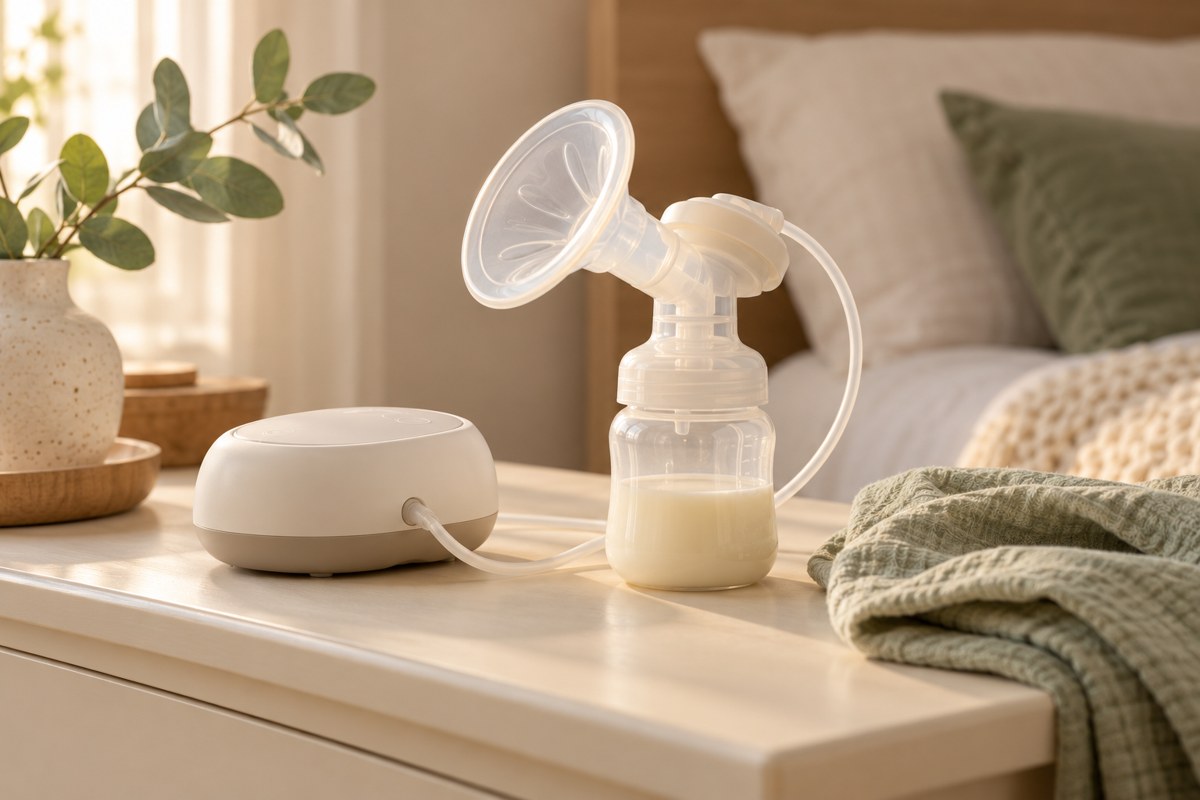
A flange, or breast shield, connects your breast to the pump. Its tunnel needs to accommodate your nipple comfortably during pumping. The number printed on the shield is a starting point; how the fit behaves during use also matters.
Start with the manufacturer's guide
Measure each nipple separately as your pump maker directs, and use the sizing guide for that shield or insert. Do not apply one universal 'add a few millimeters' rule to every brand. Medela describes measurement as an initial guide and recommends checking the fit while pumping.
Look at the fit in use
- Center the nipple before starting, with the shield resting gently against the breast.
- Watch for comfortable nipple movement rather than painful rubbing or pinching.
- Notice excessive tissue being pulled into the tunnel, pressure marks, or discomfort.
- Check both sides. The same size may not suit both breasts, and fit can change over time.
Change one thing at a time
Check positioning and use a comfortable suction setting before buying several new sizes. A size change, a different shield style, or a compatible insert may be worth discussing with a lactation consultant. Bring the pump and the parts you actually use to a fitting appointment.
Pain deserves attention
Pain is not proof that the flange is the only problem. Suction, positioning, tissue irritation, and other breast or nipple conditions can contribute. Stop a painful session and seek help for persistent pain, skin injury, or concerning changes instead of repeatedly increasing suction. ACOG recommends assessment to identify the cause.
What to ask your provider
Ask your lactation consultant how this guidance fits your feeding plan, comfort, and baby’s growth. Bring your exact pump model and any questions about parts or fit.
Sources & further reading
Gear that helps
Amazon affiliate links. As an Amazon Associate I earn from qualifying purchases.
Common questions
Does the size in the box fit everyone?
No. Treat included sizes as options, then follow the manufacturer's guidance and assess comfort during use.
Will a new flange guarantee more milk?
No. A better fit may help pumping work comfortably, but low output can have several causes and may need a broader feeding assessment.
General information, not medical advice. Ask your pediatrician or a lactation consultant.